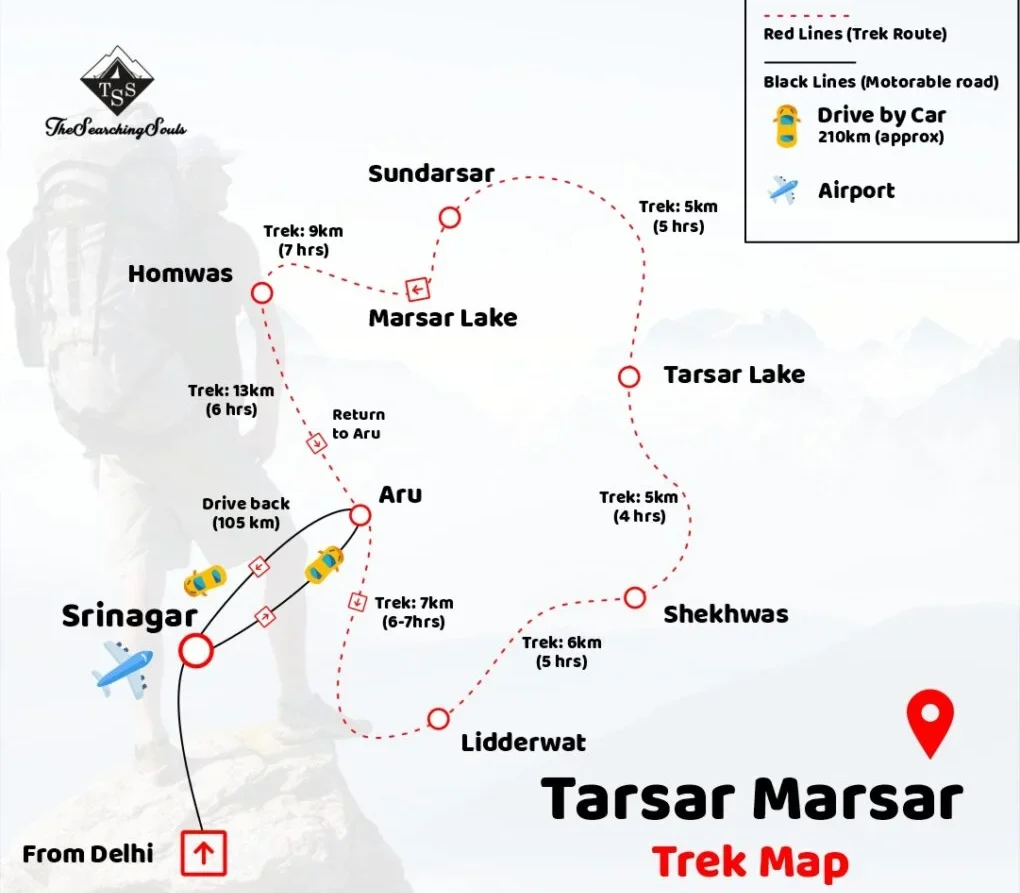
Tarsar Marsar Trek Map
- Tarsar Marsar Trek – Detailed Itinerary
Day 1: Srinagar to Aru
Altitude: 2,426 m
Travel Time: Approx. 3.5–4 hours drive
Your journey begins with a scenic drive from Srinagar to Aru Valley. The route passes through Pahalgam, following the Lidder River, with sweeping views of forests, rivers, and mountain slopes. After reaching Pahalgam, a short uphill drive leads to the peaceful village of Aru, known as the base for several iconic treks in Kashmir.
Upon arrival, you’ll check in at the campsite and meet the trek leader for a detailed briefing about the days ahead. The evening is relaxed, with time to settle in and enjoy dinner amid the calm surroundings of the valley.
Day 2: Aru to Lidderwat
Altitude: 2,426 m to 2,780 m
Distance: 11 km
Trek Duration: Approx. 6 hours
The trek begins with a gentle ascent through dense forest for the first part of the day. The trail winds through pine-covered slopes, occasionally opening to views of shepherd shelters and deep valleys. Birdlife is abundant along this stretch, and the path is commonly used by locals and pony handlers.
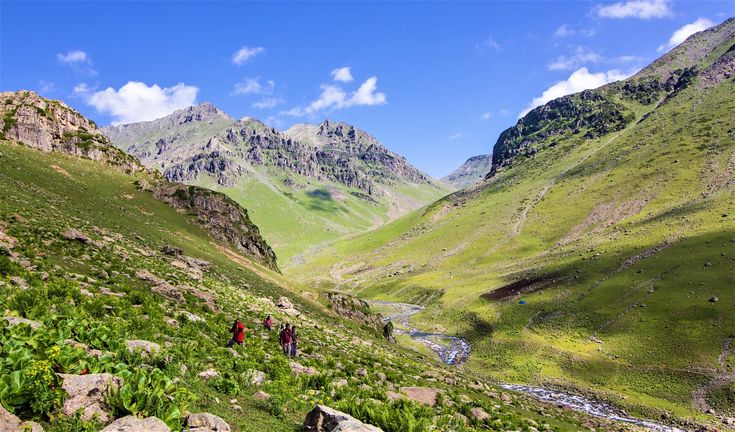
As the forest thins out, the landscape opens into wide meadows with multiple stream crossings. Walking alongside the Lidder River becomes a highlight, with clear glacial water flowing beside the trail. After crossing a wooden bridge near a triangular hut, you reach the Lidderwat campsite, where evening refreshments await.
Day 3: Lidderwat to Shekwas
Altitude: 2,780 m to 3,360 m
Distance: 6 km
Trek Duration: Approx. 5 hours
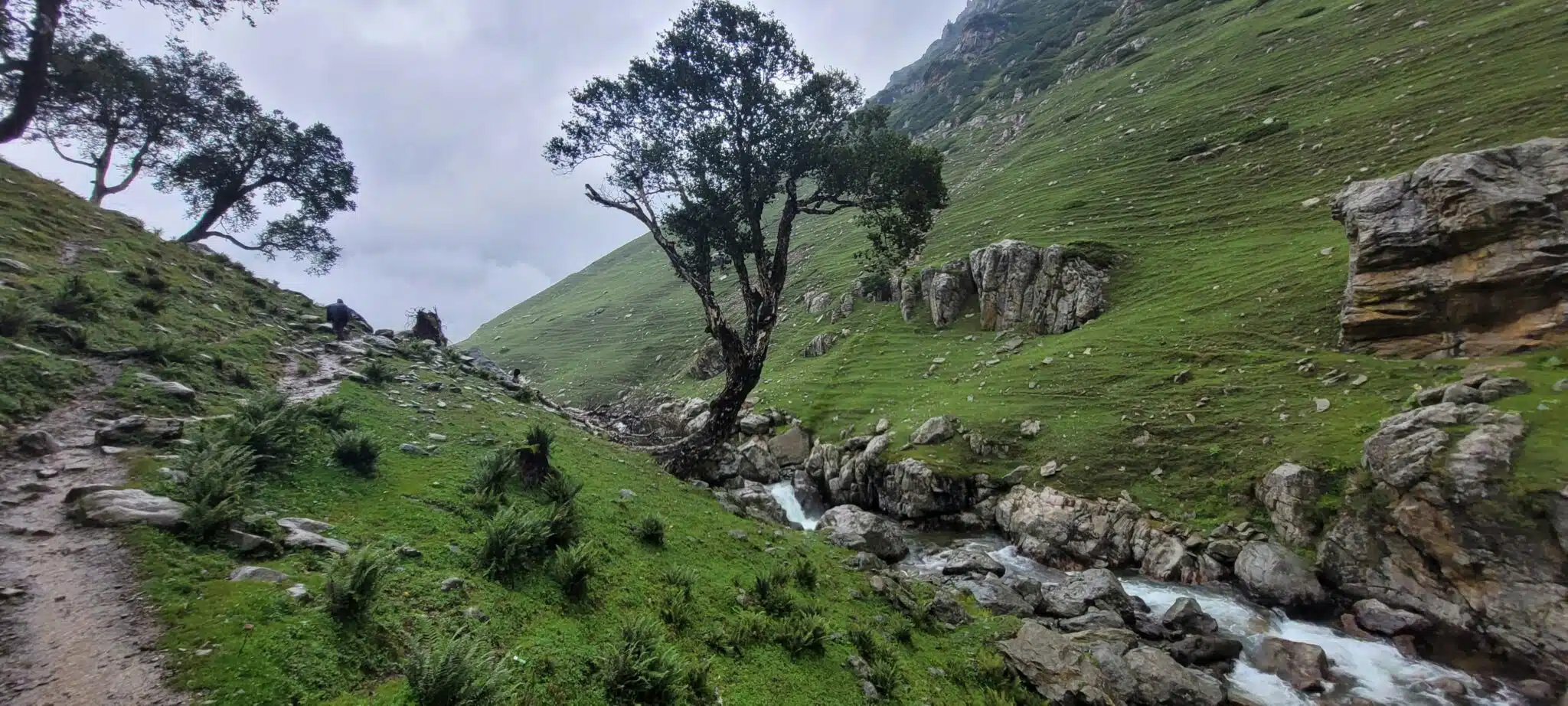
The day starts with a steady climb to higher ground, offering panoramic views of the Lidderwat valley. The trail soon re-enters forested sections, running parallel to the river before opening into expansive meadows dotted with wildflowers.
You’ll cross the river over a log bridge and pass through Homwas, a beautiful confluence of meadow and flowing water. Near Shekwas, the terrain becomes rocky with a short boulder section that requires careful footing. Shortly after, you reach the campsite set against a stunning mountain backdrop.
Day 4: Shekwas to Tarsar Lake
Altitude: 3,360 m to 3,790 m
Distance: 5 km
Trek Duration: Approx. 5 hours
Today’s trail is moderately challenging, with rocky paths and boulder sections dominating the route. The river flows alongside the trail before a narrow wooden bridge marks the end of the rocky stretch.
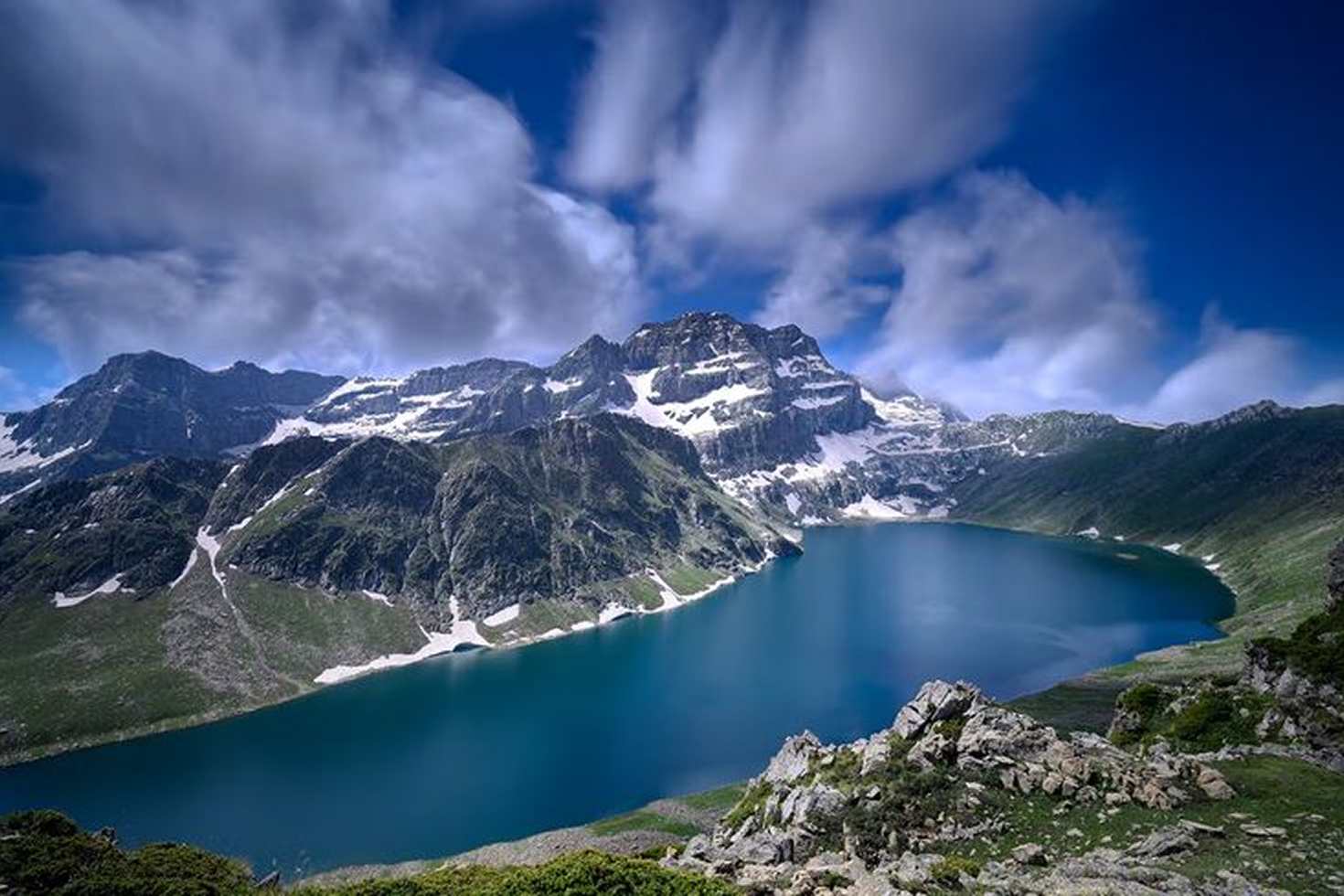
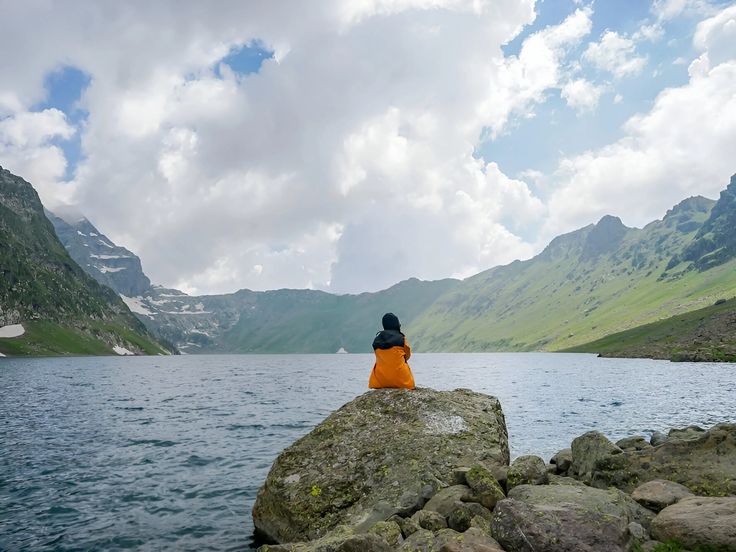
Beyond this point, the trail undulates gently through open meadows surrounded by towering peaks. As the landscape opens up, the breathtaking Tarsar Lake comes into view. Almond-shaped and vividly blue, the lake is one of Kashmir’s most beautiful alpine sights. The campsite is located near the lake, allowing you to soak in its beauty till sunset.
Day 5: Tarsar Lake to Sundersar
Altitude: 3,790 m to 3,945 m
Distance: 5 km
Trek Duration: Approx. 5 hours
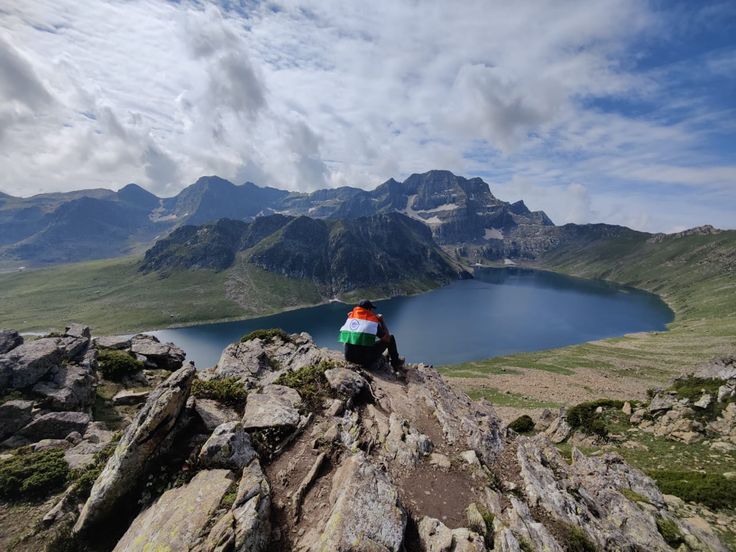
The day begins with a steep climb to Tarsar Pass. From the ridge, you get a sweeping panoramic view of Tarsar Lake, making it one of the most photographed points of the trek. After spending time here, a sharp descent follows, requiring careful movement.
The trail then crosses boulder sections and enters a vast, quiet meadow often referred to as Silent Valley. With gentle streams, ponds, and lush grass, this section feels peaceful and untouched. A final short climb and descent leads to the Sundersar campsite.
Day 6: Sundersar to Homwas via Marsar Lake
Altitude: 3,945 m to 3,505 m
Highest Point: Marsar Ridge – 4,020 m
Distance: 9 km
Trek Duration: Approx. 7 hours
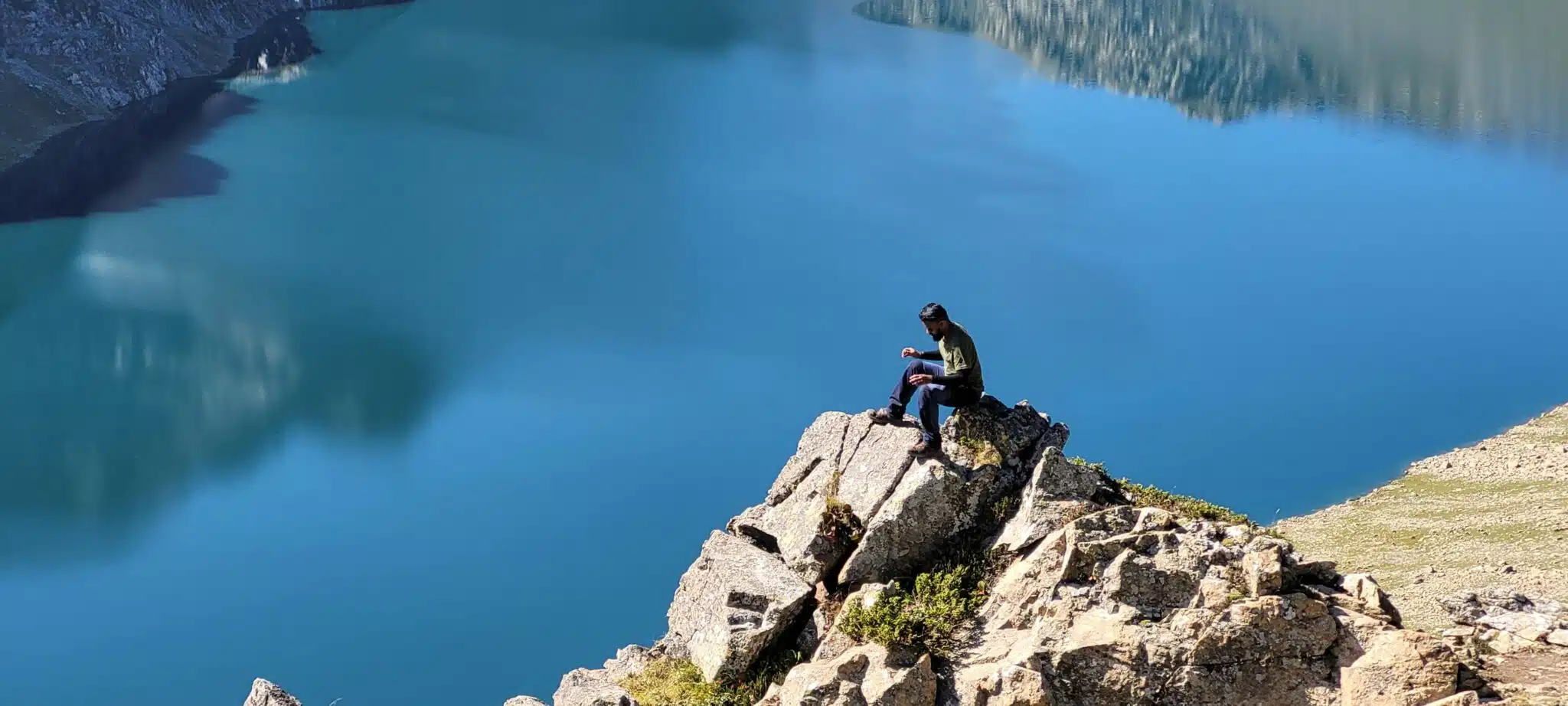
A short walk from the campsite brings you to Sundersar Lake, a small, circular glacial lake surrounded by mountains. From here, the trail climbs a ridge leading to Marsar Lake. After reaching the top, Marsar appears dramatically below, vast and serene, viewed from a high vantage point.
This is the highest altitude reached during the trek. After spending time soaking in the views, you retrace your steps back past Sundersar and descend through meadows and rocky sections toward Homwas, where the campsite is set for the night.
Day 7: Homwas to Aru, then Srinagar
Altitude: 3,505 m to 2,426 m
Distance: 13 km
Trek Duration: Approx. 6 hours
The final day retraces the familiar trail back to Aru via Lidderwat. The long descent is gradual and scenic, offering a last chance to enjoy the forests, meadows, and river views.
The trek concludes at Aru. From here, you drive back to Srinagar, marking the end of an unforgettable journey through Kashmir’s alpine heart.
Highlights of the Trek
Alpine Lakes
This trek features three breathtaking alpine lakes, each with its own unique character. Tarsar Lake offers a memorable lakeside camping experience, while Marsar is vast and dramatic. Sundersar, often compared to the moon for its calm and reflective surface, adds to the trek’s visual magic.
Lush Meadows
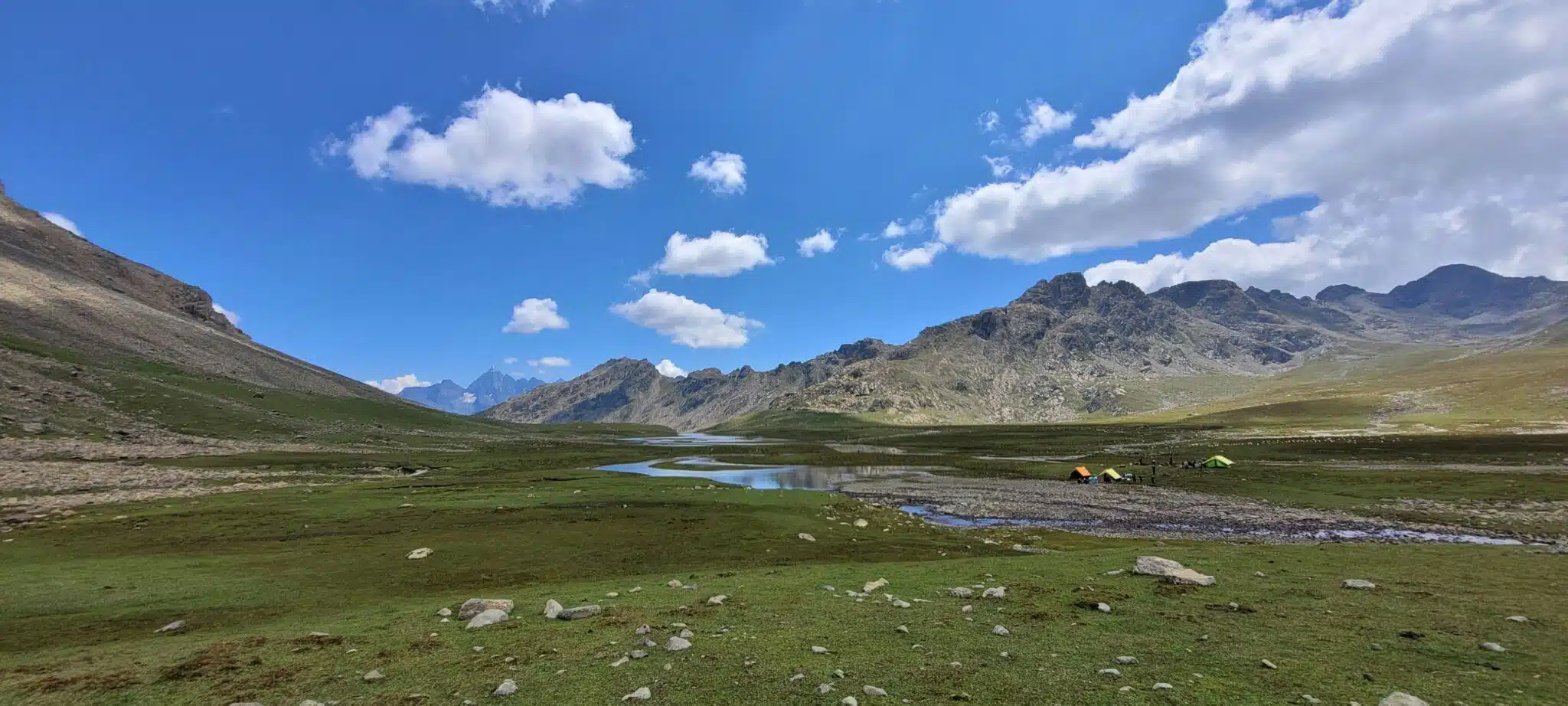
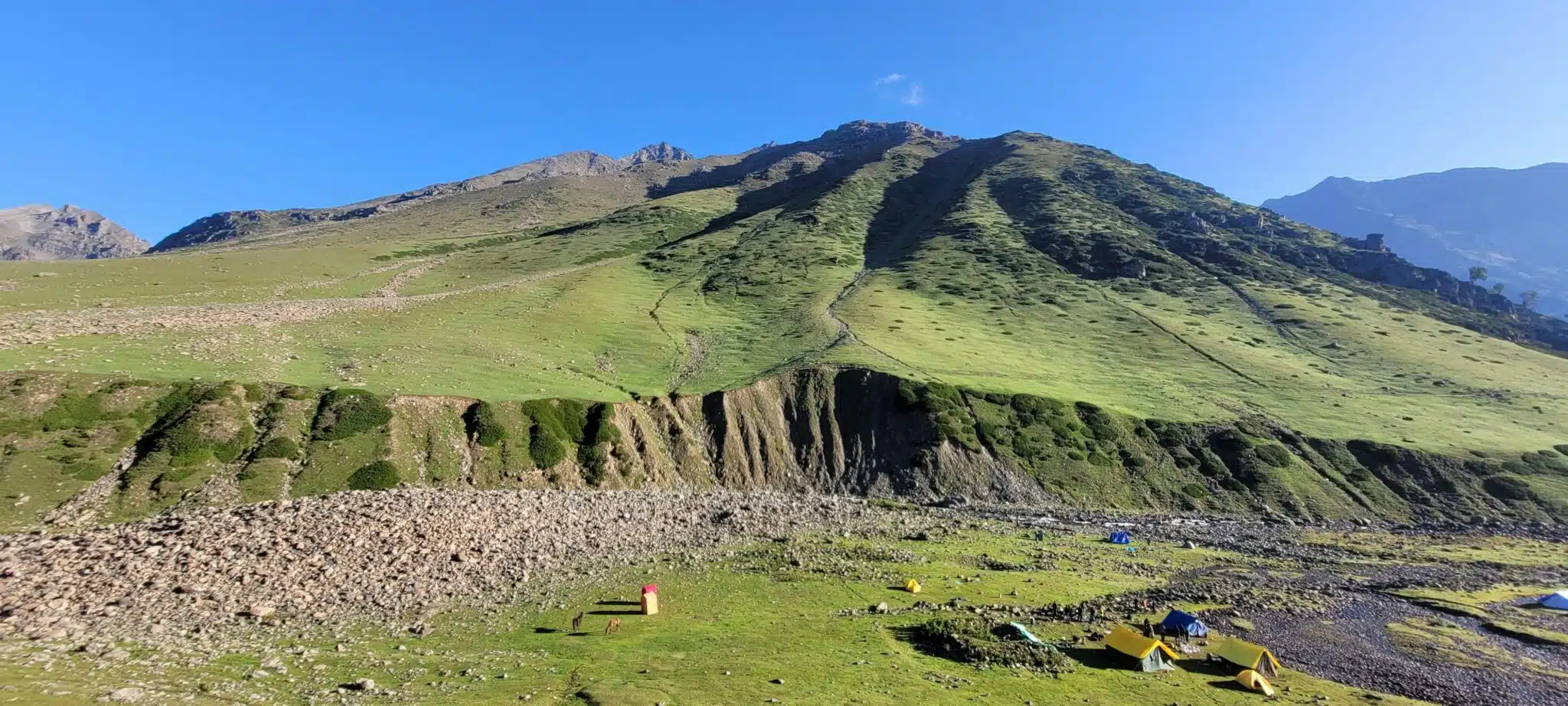
Often described as a true meadow trek, the trail passes through rolling green grasslands that stretch alongside flowing streams. These open meadows are lightly inhabited by local shepherds and their grazing flocks, creating a peaceful and authentic mountain atmosphere.
Scenic Campsites
The campsites on this trek are spacious and beautifully located. Camping beside Tarsar Lake is a highlight, while other nights are spent near gentle river streams at Lidderwat, Sekiwas, and Homwas, surrounded by silence and natural beauty.
Ideal for Beginners
This trek is well-suited for beginners seeking a rewarding Himalayan experience. The terrain is gradual, without steep climbs or sharp descents, making it comfortable yet engaging. With no exposed cliffs, dense forests, or challenging navigation, the trek offers a safe and enjoyable introduction to high-altitude trekking while showcasing pristine landscapes.
Inclusions & Exclusions
Inclusions
- All meals during the trek, including breakfast, lunch, evening snacks, and dinner. Nutritious vegetarian food is served, with care taken to maintain variety across meals.
- Accommodation in high-quality tents for all nights on a double-sharing basis. Sleeping bags, sleeping mats, and a separate dining tent are provided.
- Experienced trek leaders, trained guides, and professional mountain cooks to ensure safety and smooth operations throughout the trek.
- Comprehensive safety and medical support, including a first-aid kit and oxygen cylinder for emergency use.
- All required trek permits and passes.
Exclusions
- Lunch on the first day before the trek begins.
- Any personal expenses such as tips, personal gear, or additional purchases.
- Anything not specifically mentioned under the inclusions section.
Tips to Plan Your Trek
How To Reach Base Camp
By Air
Flying is the fastest way to reach Kashmir. Srinagar Airport is well connected with regular flights from major Indian cities such as Delhi, Mumbai, Chennai, and others. Booking your tickets in advance is recommended, especially during peak travel seasons. After arriving at the airport, you can easily reach Srinagar city by taxi or cab. From Srinagar, the same mode of transport can be used to travel onward to Aru Valley, the base camp of the trek.
By Train
Jammu Tawi is the nearest railway station connected to the Kashmir region. Trains from several major cities operate regularly to Jammu. From Jammu Tawi, Srinagar is approximately 270 kilometers away and can be reached by government or private buses, shared taxis, or private cabs.
By Road
Srinagar is around 100 kilometers from Pahalgam, and Aru Valley lies another 12 kilometers beyond Pahalgam. The drive offers scenic views of lush valleys, rivers, and fruit orchards including apple and walnut trees. You can choose to hire a private taxi or share a cab with fellow trekkers. Road connectivity is good, making the journey comfortable and picturesque.
Things To Carry On Tarsar Marsar Trek
Proper Clothing
No matter which month you plan the trek, warm clothing is essential. Carry thermal layers, insulated jackets, trekking pants, and sturdy trekking shoes. During summer months, include a few full-sleeved cotton clothes for daytime comfort. Accessories such as gloves, woollen socks, beanies, and a lightweight rain jacket are also important due to sudden weather changes.
Essential Items
Certain items are absolutely necessary for the trek. These include a reusable water bottle, high-energy snacks, sunscreen, insect or mosquito repellent, and moisturizer to protect your skin in cold and dry conditions.
Electronic Gadgets
Power supply is limited during the trek, so carrying a power bank or portable charger is important. A camera can be brought for photography enthusiasts. Network connectivity is minimal in high-altitude areas, so navigation tools like GPS devices can be useful.
Trekking & Camping Gear
Basic trekking and camping equipment such as trekking poles or an ice axe (if advised), tents, sleeping bags, and sleeping mats are required for a safe and comfortable experience during overnight stays.
Medicines
A personal first-aid kit is mandatory. Carry prescribed personal medicines along with basic medication for headaches, stomach issues, nausea, and minor injuries. It is always better to be prepared for altitude-related discomforts.
Fitness Tips & Importance For Trek
Why Fitness Matters
Good fitness plays a key role in successfully completing the Tarsar Marsar Trek. While the trek is achievable for most people, being physically prepared makes the journey more enjoyable and reduces the risk of fatigue or discomfort. Many trekkers complete this trail comfortably because they prepare their bodies in advance.
Pre-Trek Preparation
You should be healthy and free from major medical conditions before starting this trek. Begin your preparation a few weeks or months ahead of your departure. Start with regular walking or jogging, then gradually include light strength exercises to build endurance in your legs, core, and upper body. Strong cardiovascular fitness is essential for long walking hours at altitude.
Diet and Hydration
Eating clean and nutritious food is just as important as exercise. Focus on protein-rich meals and balanced nutrition while avoiding excessive junk or fast food. During the trek, drink water regularly, even if you don’t feel thirsty, as dehydration can quickly affect your energy levels and overall health.
Acclimatisation Is Essential
Proper acclimatisation cannot be skipped. Sudden exposure to high altitude can cause headaches, nausea, or fatigue. Taking sufficient rest days and moving at a steady pace helps your body adapt naturally and keeps altitude-related issues under control.
Safety and Support
If any physical discomfort arises during the trek, trained staff and support systems are in place to ensure safety and assistance throughout the journey.
Photography Spots On Tarsar Marsar Trek
The Stunning Lakes
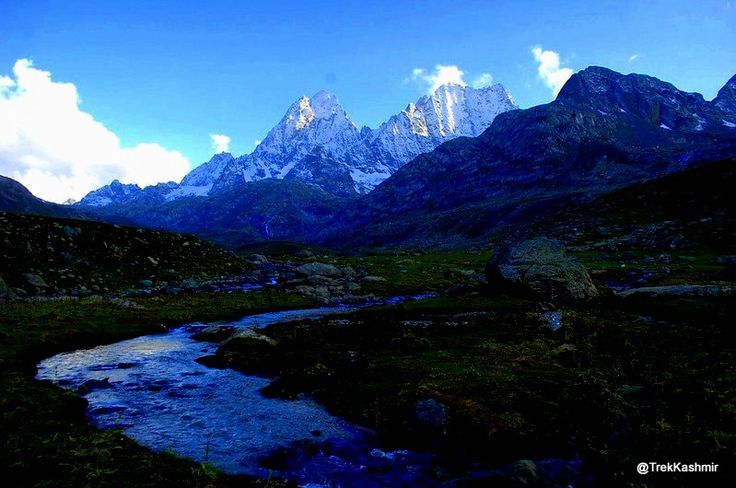
Tarsar Lake, Marsar Lake, and Sundersar Lake are truly magical. A photograph with these lakes in the background is a must. Surrounded by snow-capped mountains, the lakes create a postcard-perfect setting for unforgettable memories.
Wildlife Encounters
The trek passes through areas rich in biodiversity. You may spot Himalayan marmots, ibex, and various bird species. These moments are perfect for capturing wildlife in their natural habitat.
Campsite Views
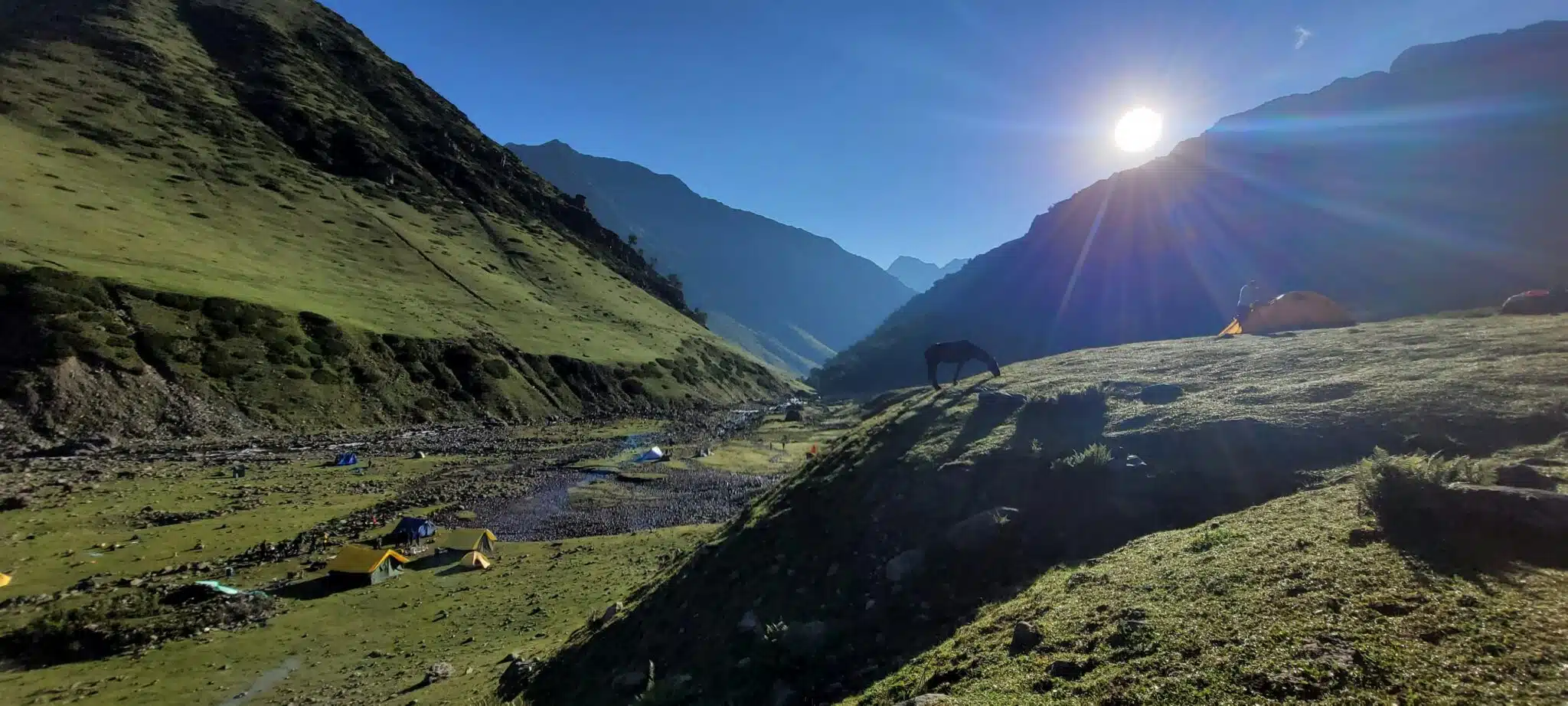
While camping, you’ll witness horses and sheep grazing near small Gujjar settlements. The natural landscapes around the campsites are stunning and require no filters to look Instagram-worthy.
Respectful Photography
Always ask permission before photographing locals and avoid disturbing the environment. Respecting people and nature ensures your photography remains responsible and meaningful.
Facts About Tarsar Marsar Trek
The Life and Death
The names of the alpine lakes, Tarsar and Marsar, are loosely translated as “life” and “death.” Local anecdotes and stories make this naming even more intriguing. Sundersar Lake, also called Chandrasar, is named after its crescent-moon shape.
Nomads of the Region
While Aru serves as the base camp, the trek truly begins from Lidderwat. This area is home to the Gujjars, a nomadic community who raise cattle and sell milk and wool. They are present here from July to September before moving down to Jammu and do not have permanent settlements.
Connection to Dal Lake
Marsar Lake is connected to Srinagar’s iconic Dal Lake through its runoff, with Dachigam National Park lying in between. Smaller in size but stunning in appearance, Marsar Lake captivates trekkers with its striking bluish waters and serene beauty.