
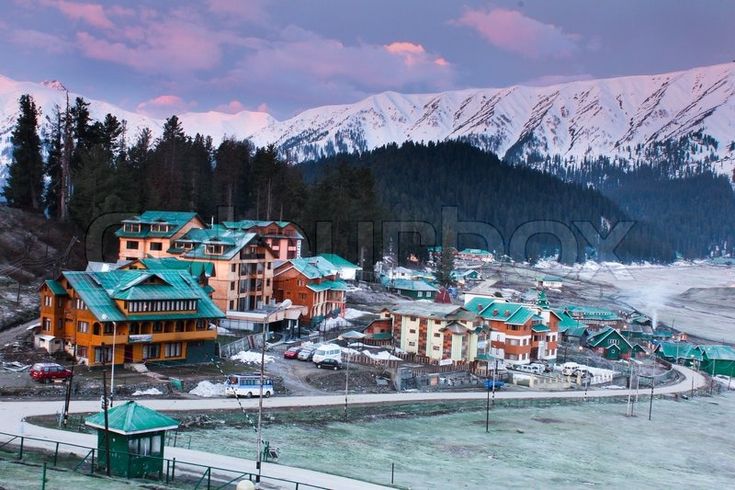
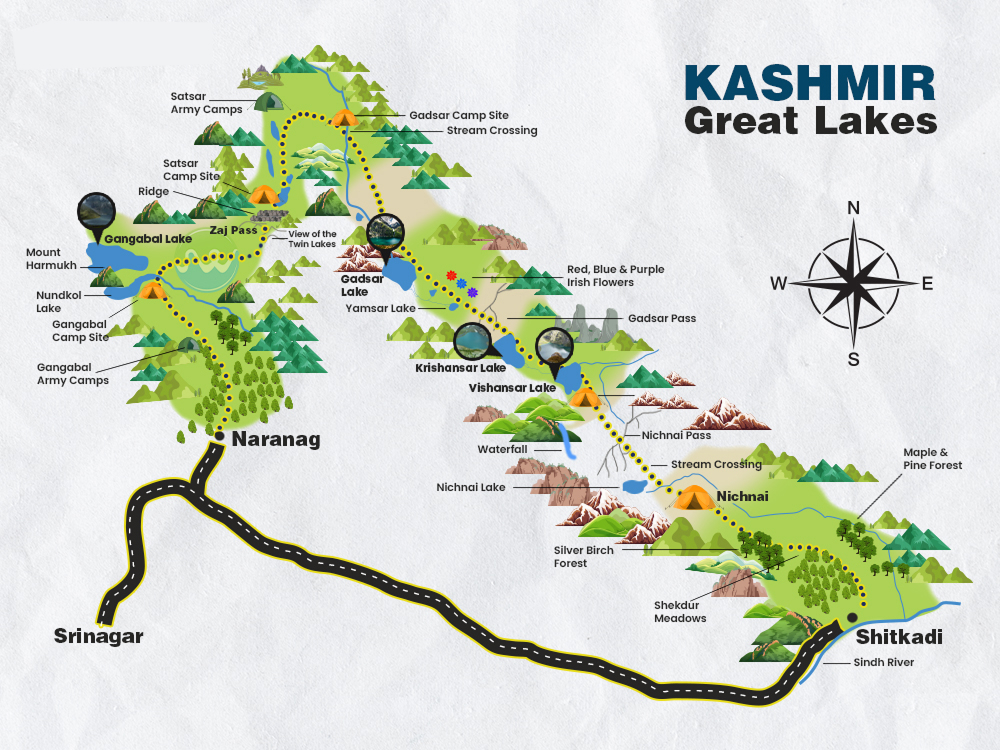
Kashmir Great Lakes Trek Map
- Kashmir Luxury Tour Packages Itinerary
Day 1: Arrival in Srinagar
Your luxury Kashmir journey begins on arrival at Srinagar Airport, where you are warmly welcomed by our representative. You’ll be escorted to your hotel for a smooth check-in, followed by a traditional Kahwa welcome. After some rest, head out in the evening to visit Dal Lake. Enjoy a relaxed walk along the lakefront or simply soak in the calm surroundings.
Night stay in Srinagar.
Day 2: Srinagar Sightseeing
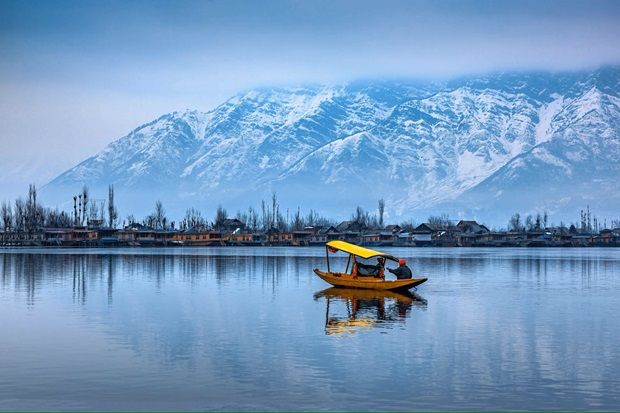
Today is dedicated to exploring the highlights of Srinagar. Start with a serene Shikara ride on Dal Lake, gliding through its inner waterways and floating life. Later, visit the iconic Mughal Gardens, including Nishat Bagh, Shalimar Bagh, and Chashme Shahi, perfect for leisurely walks and photography. In the evening, visit Pari Mahal to witness a stunning sunset overlooking the city.
Night stay in Srinagar.
Day 3: Srinagar to Pahalgam
After breakfast, begin your scenic drive to Pahalgam. En route, stop at Manasbal Lake, known for its peaceful setting and birdlife. Continue the journey through saffron fields, apple orchards, and local handicraft areas. Reach Pahalgam by evening and check in to your hotel. Spend the rest of the day at leisure, enjoying the fresh mountain air.
Night stay in Pahalgam.
Day 4: Pahalgam Sightseeing
Explore the natural beauty of Pahalgam today. Visit the banks of the Lidder River, followed by excursions to Aru Valley, Betaab Valley, and Baisaran Valley. These spots offer breathtaking landscapes, short walks, and optional pony rides. Later, visit Chandanwari and the historic Mamleshwar Temple. In the evening, stroll through the local market to shop for souvenirs.
Night stay in Pahalgam.
Day 5: Pahalgam to Gulmarg
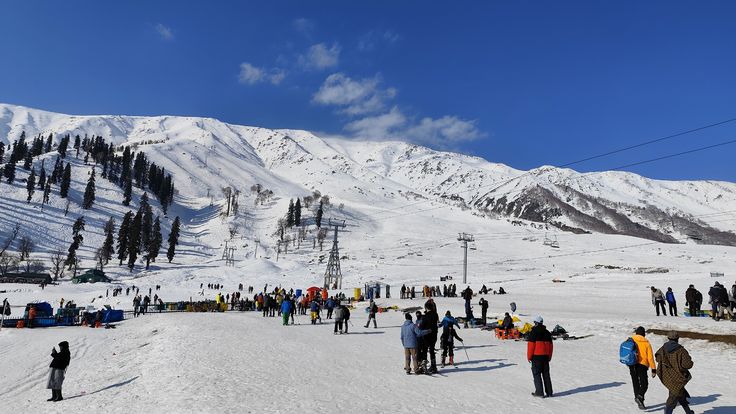
After breakfast, drive to Gulmarg, one of Kashmir’s most celebrated hill stations. Upon arrival, explore the lush meadows and enjoy a ride on the famous Gondola cable car for panoramic views of the surrounding mountains. Take leisurely walks through nearby villages to experience local life and natural charm.
Night stay in Gulmarg.
Day 6: Gulmarg to Sonamarg to Srinagar
Begin the day with a drive to Sonamarg, known for its dramatic mountain scenery. Visit the Thajiwas Glacier area via pony ride and enjoy the pristine alpine surroundings. After sightseeing, continue your drive back to Srinagar in the evening.
Night stay in Srinagar.
Day 7: Departure from Srinagar
After breakfast, check out from the hotel and transfer to Srinagar Airport for your onward journey, carrying unforgettable memories of your Kashmir luxury experience.
Highlights of Kashmir Luxury Tour Packages
Here’s a quick overview of what makes our Kashmir Luxury Tour Packages a truly comfortable and memorable experience:
Seamless Pick-up & Drop Services
Enjoy hassle-free airport and railway station transfers with private cab services, ensuring a smooth start and end to your journey.
Curated Sightseeing Experiences
Explore Kashmir’s most iconic destinations including Srinagar, Pahalgam, Gulmarg, and Sonamarg with comfortable transportation and well-planned sightseeing schedules.
Guided Adventure Activities
From gentle outdoor experiences to adventure activities, trained guides are available to ensure safety, comfort, and a well-managed experience.
Luxury Hotel Stays
Stay in carefully selected premium hotels offering modern amenities, comfort, and scenic locations, eliminating any accommodation concerns.
Complete Travel Support
From logistics to on-ground assistance, all essential travel arrangements are handled so you can relax and enjoy your Kashmir luxury holiday stress-free.
Inclusions & Exclusions
Inclusions
• All meals from Day 1 dinner to Day 7 breakfast, including breakfast, lunch, evening snacks, and dinner. Nutritious vegetarian meals are served, with a focus on variety and balanced nutrition.
• Accommodation in high-quality camping tents on a double-sharing basis throughout the trek. Sleeping bags, sleeping mats, and dining tents are provided.
• Experienced trek leader, professional guides, and trained support staff including cooks.
• Comprehensive first-aid support including essential mountain medical equipment and oxygen cylinder.
• All required permits and passes for the trek.
Exclusions
• Lunch on Day 1.
• Personal expenses such as tips, beverages, and optional purchases.
• Any services or items not explicitly mentioned under inclusions.
Tips to Plan Your Trek
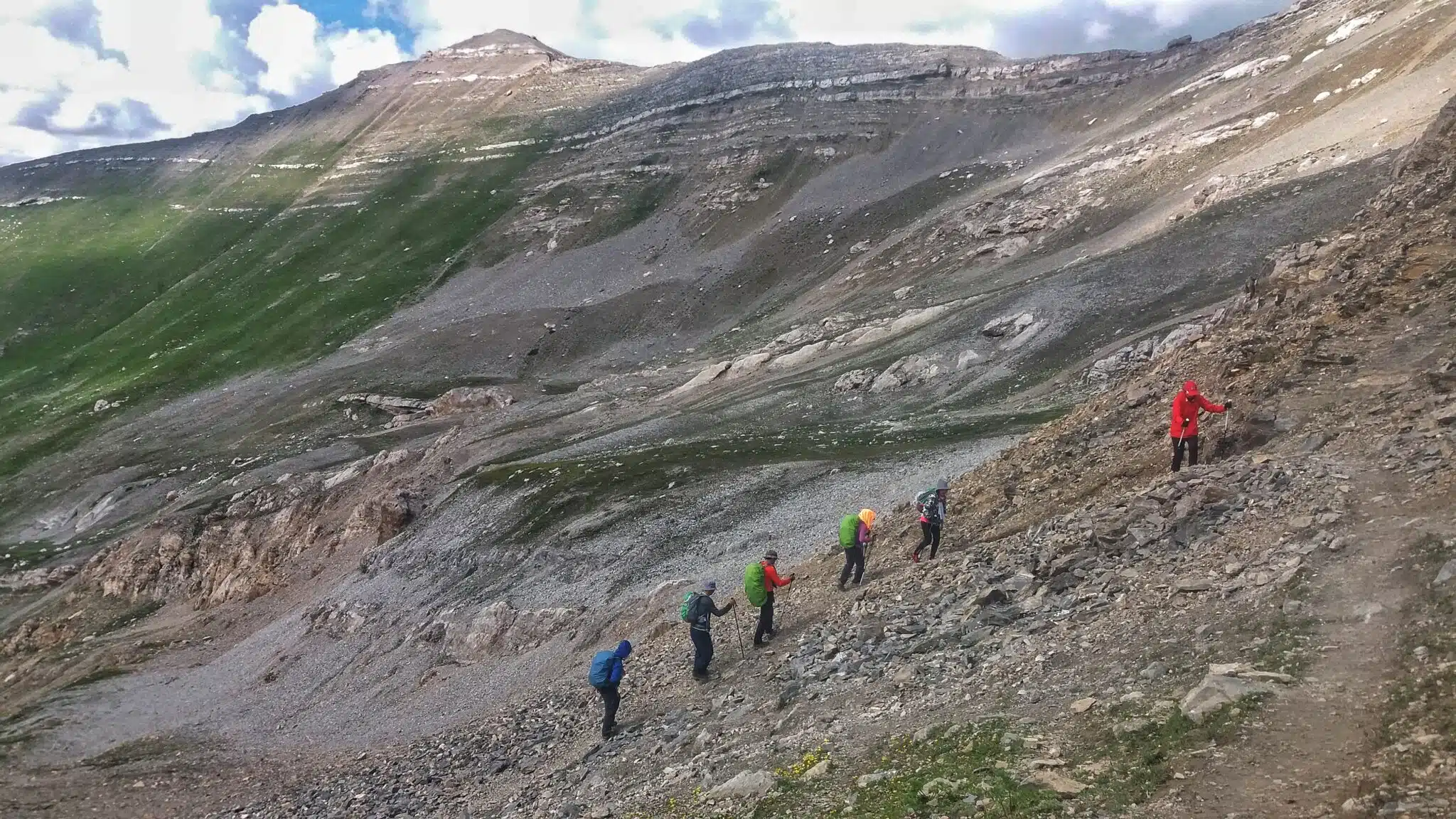
How to Reach the Kashmir Great Lakes Trek Base Camp
By Air
The starting point of the Kashmir Great Lakes Trek is Sonamarg. First, you need to reach Srinagar. Srinagar Airport is well connected to major Indian cities. From the airport, you can hire a taxi or use pre-arranged transport to reach Srinagar city. It is advisable to book flights 2–3 months in advance to get better fares and avoid last-minute issues.
By Train
If you are travelling by train, Jammu Tawi is the nearest railway station. From Jammu, you can take government-run or private buses, or hire a taxi to reach Srinagar. The journey covers approximately 270 km and usually takes 7–8 hours, depending on road and weather conditions.
By Road
Once you reach Srinagar, you will travel onward to Sonamarg, which is about 80 km away. The drive takes around 2 to 3 hours and offers scenic views along the way. You can hire a private taxi or opt for shared transport with other trekkers, depending on your travel plan and package choice.
The trek base camp location varies based on the itinerary and may be near alpine lake regions such as Vishansar or Gangabal. It is important to spend sufficient time at the base camp to acclimatize properly and reduce the risk of altitude-related discomfort before starting the trek.

Things to Carry for the Kashmir Great Lakes Trek
Suitable Clothing
Carry enough warm layers as temperatures drop significantly at higher altitudes. Thermals, insulated jackets, and waterproof outer layers are essential. A good-quality rain jacket or poncho is important in case of sudden showers. Pack trekking pants, sturdy trekking shoes, multiple pairs of socks, and extra undergarments. Choose quick-dry fabrics to stay comfortable during long trekking days.
Essentials
Some items are absolutely necessary for the trek. Carry a reusable water bottle or hydration pack, energy snacks, mosquito repellent, sunscreen, moisturizer, and basic antibacterial or antifungal creams. Use a spacious, waterproof backpack to keep your belongings protected from rain and moisture.
Medicines
Pack basic medicines for headaches, stomach issues, colds, or body aches, along with any personal medication you may need. A personal first-aid kit is mandatory and should include bandages, antiseptic cream, and altitude-related medication if prescribed.
Gadgets
Electricity and network coverage are extremely limited in high-altitude areas. Carry a fully charged power bank to keep your devices running. Mobile connectivity may be unreliable, so devices should only be used when necessary.
Packing Checklist
Safety
First-aid kit
Emergency whistle
Altitude sickness medication
Emergency thermal blanket
Government-issued ID card
Toiletries
Toothbrush and toothpaste
Soap or shampoo
Hand sanitizer
Toilet paper and wet wipes
Quick-dry towel
Antibacterial powder
Moisturizer and lip balm (with SPF)
Nail clippers
Clothing
Moisture-wicking base layers
Fleece or insulated jacket
Down or hollow-fiber jacket
Windproof and waterproof outer jacket
Trekking pants
Thermal innerwear
Woollen and cotton socks
Woollen cap or beanie
Neck gaiter or buff
Fleece and waterproof gloves
Balaclava
Sun hat or cap
Undergarments
Rain poncho or rain pants
Electronics
Mobile phone
Camera
Power bank
Headlamp or torch
Wristwatch
Other Useful Items
Trekking poles
Water bottles or hydration pack
Lunch box and basic cutlery
Energy bars, dry fruits, and snacks
Plastic bags for waste and wet clothes
Map or compass
Notebook and pen
Packing smart and light while carrying all essentials will ensure a safe, comfortable, and enjoyable Kashmir Great Lakes trekking experience.
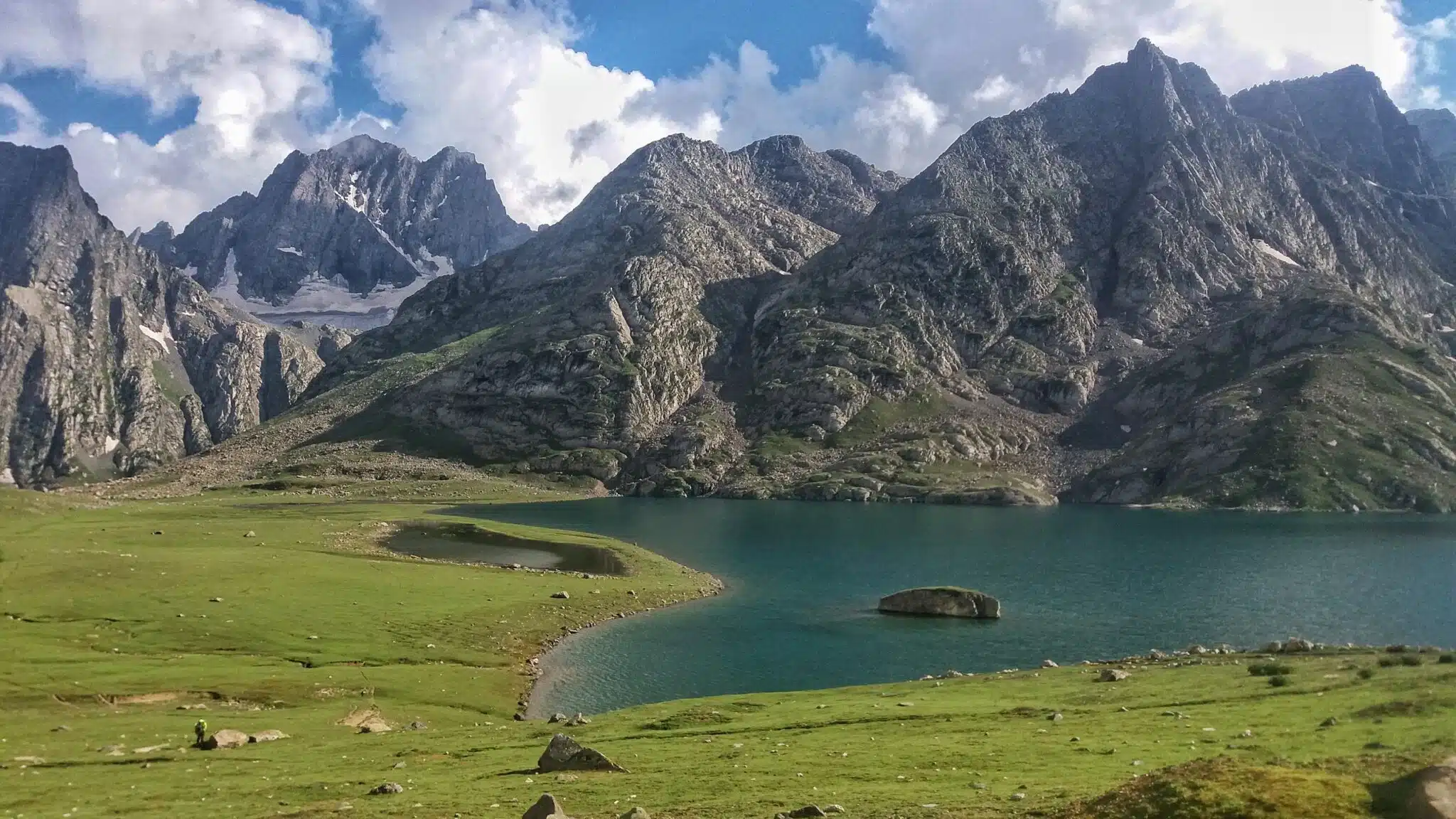
Fitness Tips & Importance for the Kashmir Great Lakes Trek
Good physical fitness is essential to complete the Kashmir Great Lakes trek safely and comfortably. This trek involves long walking hours, steep ascents, rocky trails, river crossings, and high-altitude mountain passes. Being physically prepared helps reduce fatigue, prevents injuries, and allows you to fully enjoy the experience.
The trek demands strong endurance and good cardiovascular health, as you will be trekking for several hours almost every day. Your body should be able to handle sustained physical effort while adapting to lower oxygen levels at high altitude.
Begin your preparation well in advance. Regular jogging, brisk walking, and strength training should be part of your routine. Focus especially on building strength in your legs, core, and upper body. Just as important is maintaining a clean and balanced diet. Training alone is not enough—proper nutrition plays a major role in stamina, recovery, and overall fitness.
Acclimatisation is equally critical. High-altitude areas have reduced oxygen levels, and rapid ascent without proper rest can lead to altitude sickness. Plan one or two buffer days in Srinagar or Sonmarg to help your body adapt before the trek begins.
Preparation Timeline
Beginners or trekkers with moderate fitness should start training 3–5 months before the trek. Experienced trekkers can prepare within 1–3 months.
Weekly Fitness Plan
Weeks 1–2
Cardio: 3–5 km brisk walk or jog, 3–4 days a week
Strength: Squats, lunges, step-ups (2–3 sets of 10–15 reps), 2 days
Core & Balance: Planks and sit-ups, 2 days
Hiking Practice: One short hike (2–3 hours)
Weeks 3–4
Cardio: 5–7 km brisk walk or jog, 3–4 days
Strength: Add calf raises and push-ups (2–3 sets), 2 days
Core & Balance: Side planks and leg raises
Hiking Practice: One moderate hike (4–5 hours)
Weeks 5–6
Cardio: 7–10 km brisk walk or jog, 3–4 days
Strength: Increase reps and sets; add pull-ups if possible
Core & Balance: Russian twists and bicycle crunches
Hiking Practice: One long hike (6–8 hours) with a backpack
Weeks 7–8
Cardio: 10–12 km brisk walk or jog, 3–4 days
Strength: Weighted squats and lunges if equipment is available
Core & Balance: Core workouts combined with yoga for balance
Hiking Practice: Two long hikes with full trekking gear
Weeks 9–12
Cardio: 12–15 km brisk walk or jog, 3–4 days
Strength: Full-body circuit training focused on endurance
Core & Balance: Yoga and balance-based exercises
Hiking Practice: Multiple long hikes, altitude simulation if possible
Training Tips
Carry a backpack weighing 5–7 kg during practice hikes to simulate real trek conditions.
Include stair climbing or incline walking to build leg strength and endurance.
Practice slow and steady pacing to prepare for high-altitude trekking.
Add stretching or yoga sessions to improve flexibility, balance, and recovery.
Consistent training, proper acclimatisation, and a disciplined routine will significantly improve your trekking experience and help you complete the Kashmir Great Lakes trek with confidence.
Photography Spots on the Kashmir Great Lakes Trek
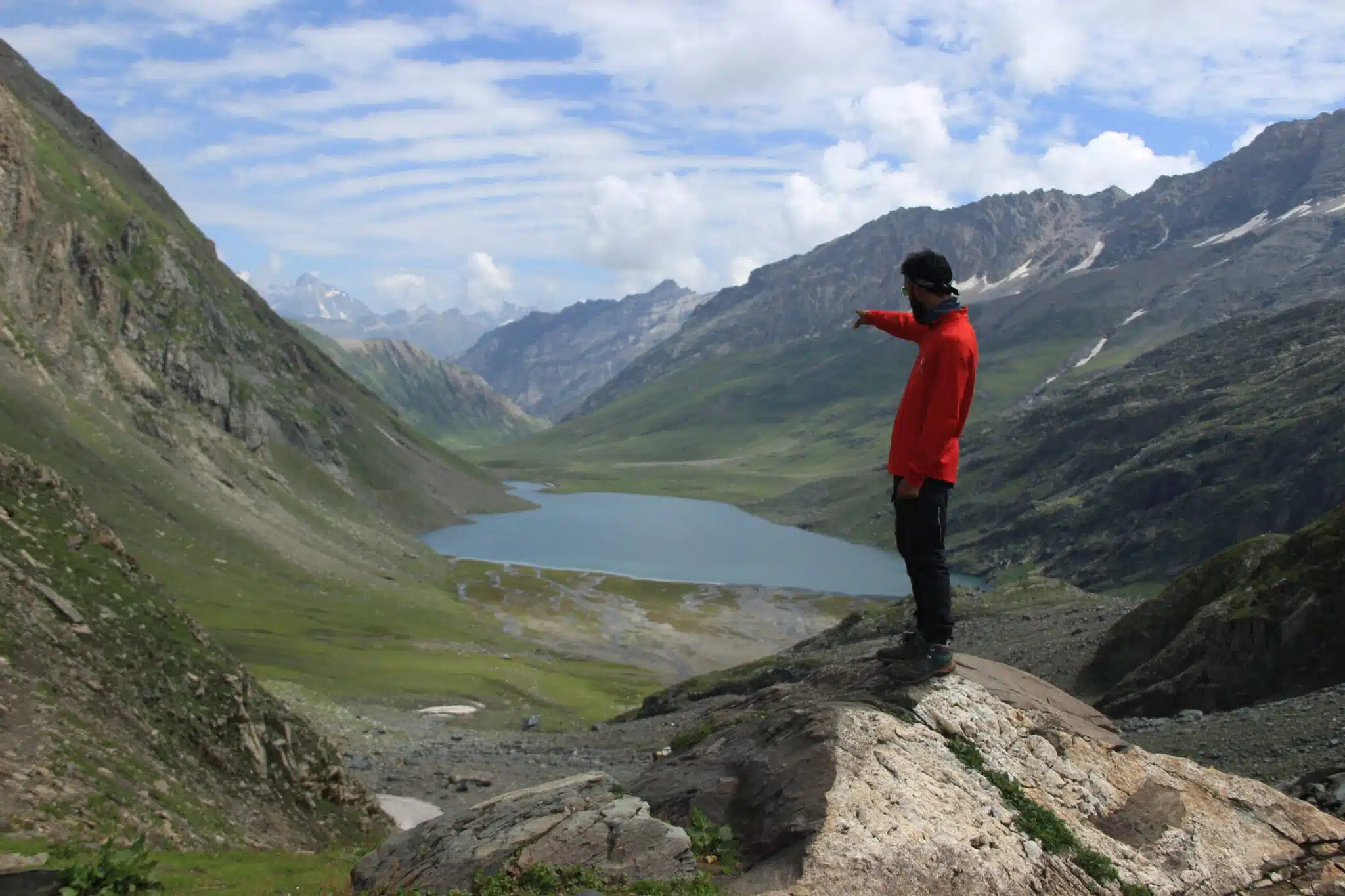
The Kashmir Great Lakes trek is a paradise for photographers. Almost every turn on the trail offers a frame-worthy view, making it a dream journey for nature and landscape photography. From alpine lakes to high mountain passes and endless meadows, the trek provides countless opportunities to capture unforgettable moments.
The Serene Alpine Lakes
The lakes along this trek are among the most photogenic in the Himalayas. Gangabal Lake, Gadsar Lake, Satsar Lake, Vishansar and Kishansar (the twin lakes), and Nundkol Lake reflect the surrounding peaks and skies beautifully. These glacier-fed lakes change colors with light and weather, offering stunning compositions throughout the day.
Smaller lakes around the Satsar region are equally magical and often feel untouched and peaceful. While every season has its own visual appeal, autumn stands out for its crisp light and dramatic tones.
Mountain Passes and Open Meadows
High-altitude passes like Zajibal Pass and Nichnai Pass provide sweeping panoramic views of valleys, lakes, and rugged mountain ranges. Reaching these passes is an achievement, and the views from the top make for some of the most rewarding photographs of the trek.
The vast meadows scattered across the route are equally captivating. Rolling grasslands set against snow-capped peaks create a perfect contrast, especially during early morning and golden hour. These open landscapes are ideal for wide-angle shots and relaxed photography sessions.
While capturing the beauty of the region, it’s important to respect local culture and nature. Always seek permission before photographing local shepherds and avoid disturbing the natural surroundings. Responsible photography ensures the trail remains as pristine as it looks through your lens.
Facts About Kashmir Great Lakes trek
The Kashmir Great Lakes trek is surrounded by several interesting facts that add depth to its natural beauty. One of the most talked-about secrets involves Vishansar and Kishansar Lakes. These two lakes are known as twin lakes because they are connected by the same flowing water source.
A unique feature of these lakes is the near absence of algae, indicating exceptionally pure water conditions. Despite this, trout fish are found here, making these lakes ecologically fascinating. Fishing activity has been observed in the region, although it is regulated and requires proper permissions.
In contrast, Gadsar Lake presents a completely different appearance. Being the highest lake on the trek, it shows significant algae growth, which gives the water a greenish hue. This contrast between the lakes highlights the diverse natural ecosystems found along the Great Lakes route.
History of the Harmukh Mountains
The Harmukh mountain range holds immense religious and cultural significance in Kashmir. The glaciers of Harmukh are believed to be the primary source of several lakes in the region, especially Gangabal Lake. Rising to an altitude of approximately 16,000 feet, Harmukh is revered as the sacred abode of Lord Shiva.
According to local legends, a devoted ascetic once attempted to climb Harmukh to seek spiritual enlightenment. After dedicating nearly 12 years to this journey, he is believed to have attained Nirvana and was never seen again. Even today, Hindu pilgrims undertake a challenging yatra, climbing up to around 14,000 feet to offer prayers.
Harmukh also holds historical importance. In 1856, Thomas Montgomerie explored the region during the Great Trigonometric Survey. It was during this expedition that the peak later named K2 was identified, a discovery unknown even to local communities at that time.
Popular Naranag Temple
The ancient Naranag Temple is an important historical and spiritual site near the endpoint of the trek. Some believe the temple was built in honor of Lord Shiva, while others associate it with the worship of Nagas, or serpent deities.
The temple complex was constructed during the Karkota Dynasty by King Lalitaditya Muktapida, a ruler known for his devotion to both Lord Shiva and the Nagas. The architecture follows the Aryan style, showcasing detailed stone craftsmanship and structured layouts.
Although the temple now stands in ruins, it remains a significant archaeological site. Its historical value and serene surroundings make it a meaningful stop for trekkers completing the Kashmir Great Lakes journey.
Activities to Do on Kashmir Great Lakes Trek
Fishing at Vishansar Lake
Fishing is a popular activity at Vishansar Lake due to the presence of brown trout. Angling can be enjoyed responsibly with proper permissions while respecting the fragile mountain ecosystem.
Exploring Alpine Lakes
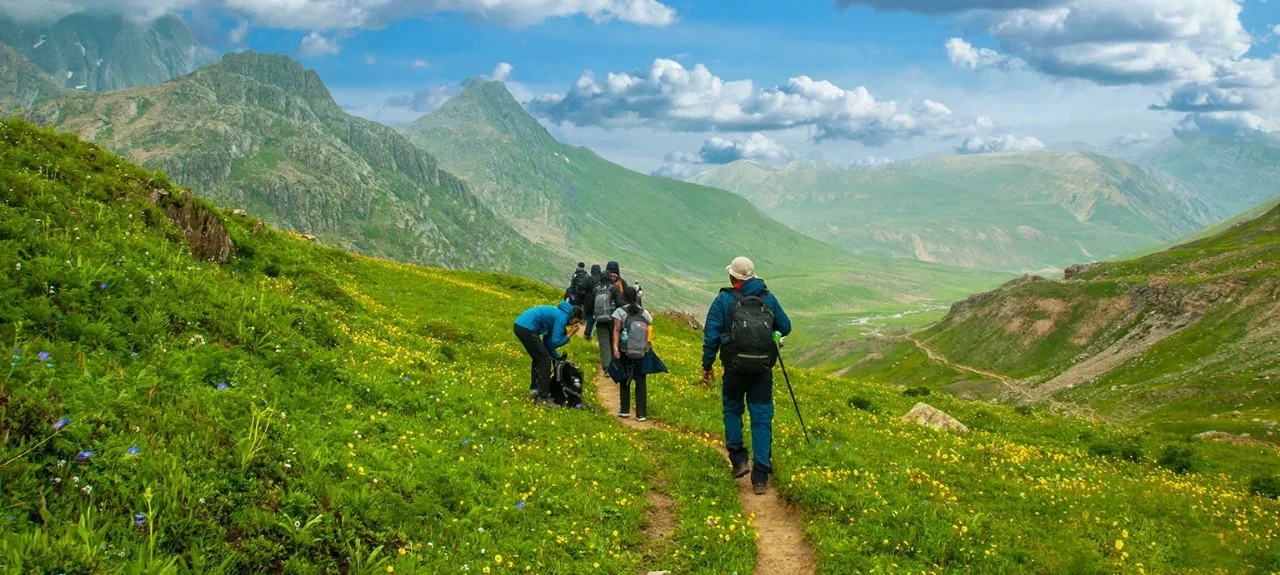
The highlight of the trek is discovering Kashmir’s breathtaking alpine lakes. Almost every day reveals a new glacier-fed lake, offering peaceful walks and unforgettable views in pristine surroundings.
Meadows & Leisure Time
The wide green meadows and open landscapes create the perfect setting to relax and unwind. Trekkers often enjoy light games, quiet moments, or simply soaking in the natural beauty around them.
Flora and Fauna
The trail is rich in natural diversity, featuring alpine flowers like lilies, marigolds, Kashmir iris, rhododendrons, and jasmines. Wildlife sightings may include Himalayan marmots and various mountain bird species, adding to the trek’s charm.